
.png)
See how agents can work around your recruiters
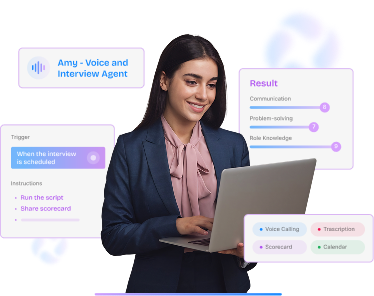
We can show you this agent running against your eligibility rules, your institutes and a live drive, so you can see exactly what the agent handles and where your recruiters step in.


.svg) Product
Product Core Modules
Extended Modules
Experience
RippleHire AI
Meet the agents
How the platform works
Responsible AI & Governance
Solution
By Role
By Industry
By Hiring Type
Customers
Core Modules
Extended Modules
Experience
RippleHire AI
Meet the agents
How the platform works
Responsible AI & Governance
Solution
By Role
By Industry
By Hiring Type
Customers Customer Stories
Proof & Community
Resources
Customer Stories
Proof & Community
Resources Download
our Exclusive Ebook
Download
our Exclusive Ebook
Advanced thinking in talent science and culture Actionable frameworks for HR leaders Case studies and results from industry pioneers
Talent science
Comparisons
Company
Talent science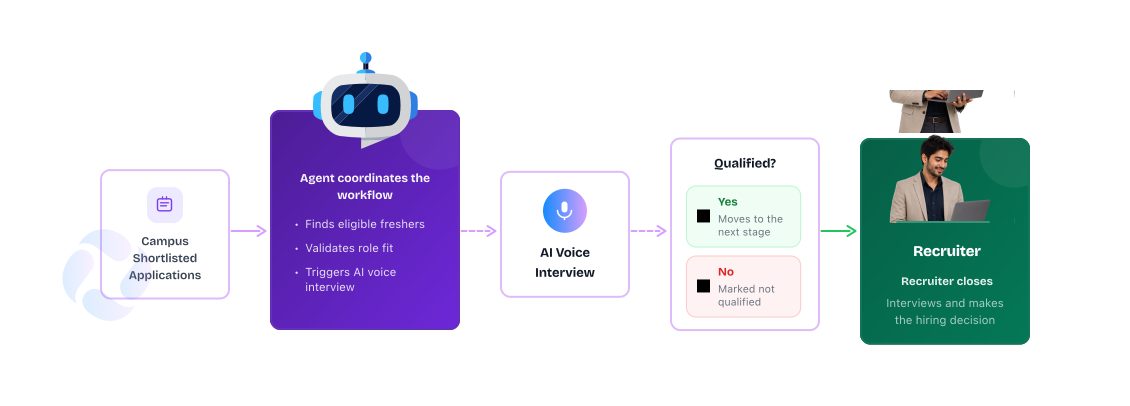
A campus drive puts hundreds of applications in front of you in a single day. Before anyone can have a real conversation, someone has to check each applicant against the branch, the batch, the CGPA cut-off and the backlog rule, then start the first screening call. Multiply that by every institute on the calendar.

.jpg)
That is coordination work, not recruiter work. The placement window is measured in days, and the company that screens first is the company making offers while you are still working through the list.

Reads each application against your branch, batch, CGPA and backlog rules.

Confirms the applicant fits the role before anything else happens.

Runs the AI voice interview and tells the candidate what to expect.

Meets the screened students, judges fit and makes the hiring decision.

The agent picks up every applicant from the drive as they come in.

Branch, batch, CGPA, institute, backlogs or any other criteria you set for the role.

The agent conducts the screening call itself, at any hour and at any volume.

The candidate receives the link and the instructions without waiting for a recruiter to reach out.
Configure once. The agent coordinates from there.

The agent applies your cut-offs to every application, so nobody is filtering spreadsheets between campus visits.

Screening happens as applications arrive, including overnight and across several institutes at once.

Recruiters spend the placement window meeting candidates instead of working through a list to find them.
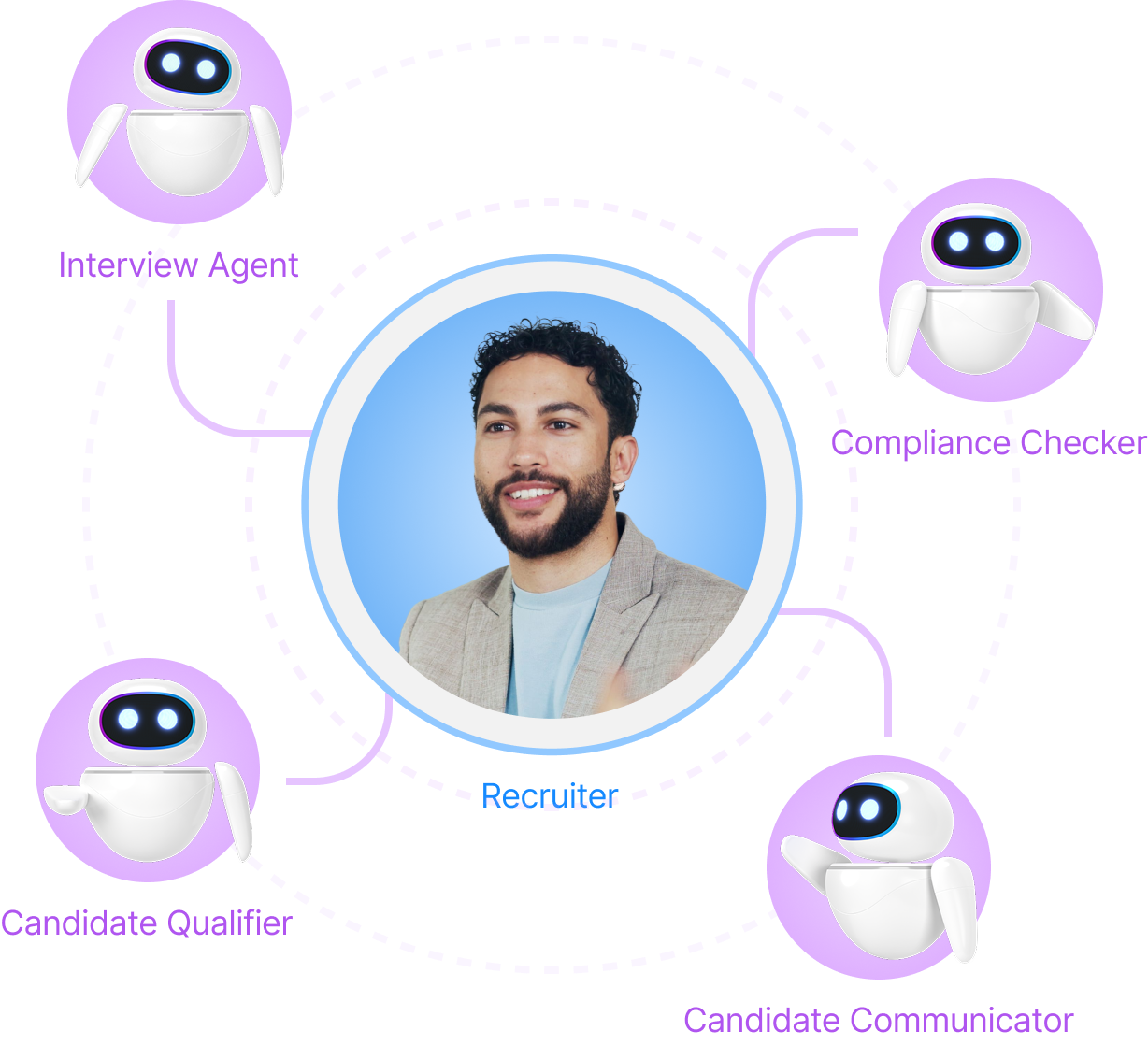
Campus screening is one workflow Agent Builder can coordinate. One agent can launch an AI interview when an application arrives. Another can move qualified candidates forward. Another can enforce a compliance rule before an offer is created. Another can keep candidates informed throughout the hiring process.
The pattern stays the same: agents handle the coordination, while recruiters handle the conversations, decisions and relationships that move hiring forward.
We can show you this agent running against your eligibility rules, your institutes and a live drive, so you can see exactly what the agent handles and where your recruiters step in.